Key Takeaways
- CPQ (configure, price, quote) is used by manufacturers whose products have too many valid combinations to quote from a price list, especially when every order has its own dimensions.
- The clearest examples come from 7 groups: railings and glass systems, doors and windows, prefab and modular buildings, roofs and solar, HVAC and ventilation, interior finishes, and pipes and drainage.
- Results from real projects: Innore saves 80 hours of sales time a month, R-Fix quotes 60% faster, and Saku Metall cut its sales cycle from 2 weeks to 2 hours.
- CPQ isn't only a sales tool. Engineers, distributors, architects, end customers and production all work from the same configuration.
- For these manufacturers, a price alone doesn't finish the sale. Production needs a bill of materials (BOM) and drawings, architects need a BIM object, and a parametric CPQ produces all of them from the same configuration.
- CPQ isn't for everyone. If you sell a fixed catalog from a flat price list, a webshop will do.
Search "who uses CPQ" and you'll mostly get a list of industries: automotive, machinery, telecom, software. All true. Not much help if you make glass railings or ventilation silencers.
So here's the version with real names. Below are 7 types of manufacturers, what makes quoting hard for each, and what CPQ changes for them. Every number comes from a published customer story, so you can check it.
New to the term? Our complete guide to CPQ covers how it works.
Who uses CPQ? The short answer
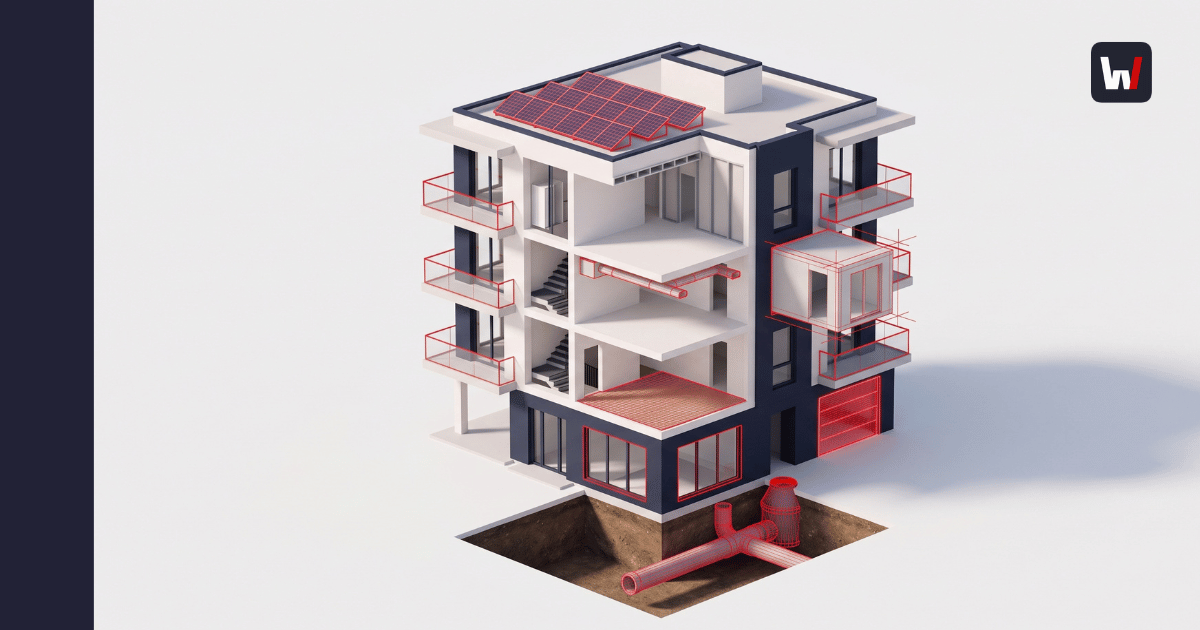
CPQ (configure, price, quote) software is used by manufacturers whose products have too many valid combinations to quote from a price list. Think railings and glass systems, doors and windows, prefab and modular buildings, roofs and solar, HVAC and ventilation, interior finishes, and pipes and drainage. Inside those companies, sales teams, engineers, distributors, architects and end customers all use it.
CPQ is also common in industrial machinery, vehicles, medical equipment and software. Most CPQ articles already cover those, so this one focuses on building and construction products.
7 types of manufacturers that use CPQ
Each group below has its own reason a price list stops working, and each comes with a real example.
1. Railing, metal and glass system manufacturers
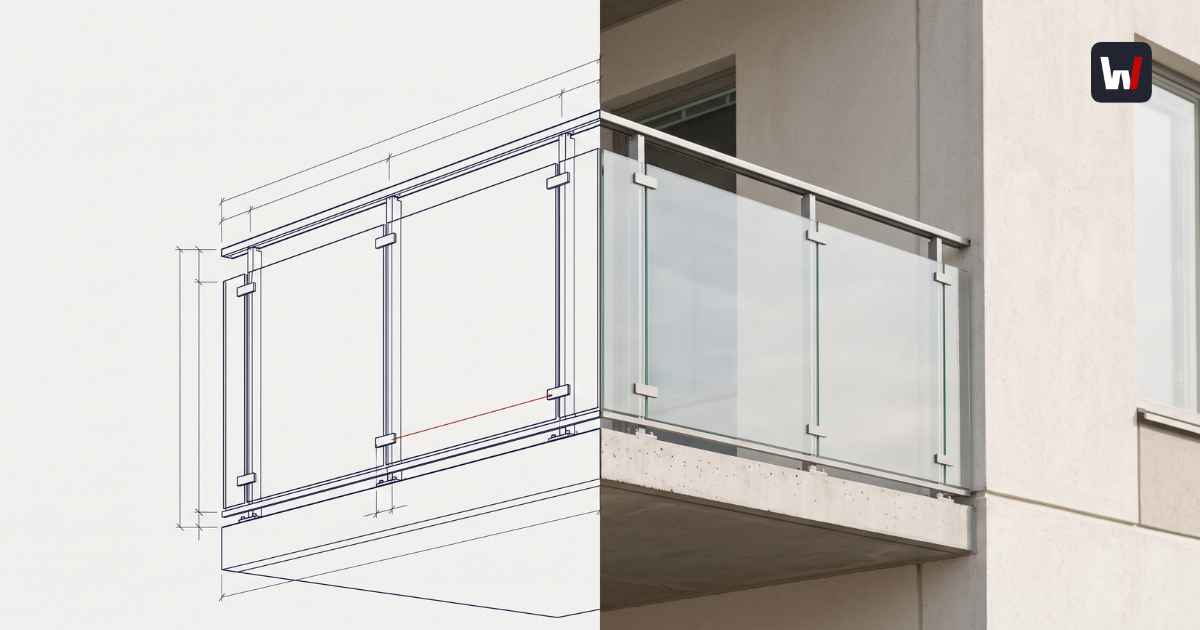
Every balcony and staircase has its own measurements, so almost every railing is unique. Posts, glass panels, fixings and handrails all have to fit together, and a wrong spec shows up on site.
Innore's sales engineers spent about half their time turning emailed drawings into quotes. Its 3D railing configurator now produces the BOM, price, drawings and ERP order automatically, saving 80 hours of sales time a month. R-Fix quotes 60% faster, with 80% less manual data entry and live ERP pricing.
More on CPQ for metal and glass systems manufacturers →
2. Door and window manufacturers
Every opening is a different size, and buyers often don't know which model fits. Someone has to work out the right product before anyone can price it.
At Saku Metall, sales engineers used to advise every garage door customer individually. Now the configurator recommends a door based on the opening's dimensions, prices it and sends the order to production. The sales cycle dropped from 2 weeks to 2 hours, with 80% fewer errors.
More on CPQ for doors and windows manufacturers →
3. Prefab and modular manufacturers
Modular buildings come in custom dimensions and finishes. Buyers want to see the result before they commit, and a PDF price list can't show them.
Wallenium had no way to show a custom room before the order, and sales engineers translated every client wish into ERP forms by hand. Now buyers design the room themselves, see finishes in 3D and get a real-time price, plus an instant order PDF with 3D snapshots. In Wallenium's own words:
"The configurator handles the visual design step. Sales conversations now start with a configured room already in view, letting engineers focus on technical questions and closing rather than basic option selection."
More on CPQ for prefab and modular construction →
4. Roof, facade and solar manufacturers
Every roof has its own shape, so every quote starts with measuring. When roof geometry is collected by hand, each inquiry eats sales time, and a measuring mistake can become a wrong order.
Solarstone used to collect roof geometry by hand for every inquiry. Its configurator freed sales from measuring, cut wrong orders and returns, and gets Solarstone specified into projects early.
AS Toode lets customers configure roofs and solar panels themselves, in 3D with BIM. HolaRoof moved from paper and Excel to a partner portal with a design canvas and an automatic BOM.
More on CPQ for roof and facade manufacturers →
5. HVAC and ventilation manufacturers
Ventilation ranges are wide and technical. Picking the right unit means checking parameters and performance data, which slows every offer down.
ETS Nord had hundreds of silencers, so finding the right one was slow. With its SILENCERiQ configurator, sales engineers filter silencers by parameters and get noise attenuation calculated on the spot. Project offers come out complete with drawings and graphs.
Here's how ETS Nord built SILENCERiQ →
6. Interior finishing materials
Finishing ranges can run to thousands of products, and proposals often mix them room by room. When the data lives in spreadsheets, each proposal gets rebuilt by hand.
Floorin kept its product data across Excel files, links and email. It now builds priced, visual proposals from a single source on Wabric PIM, including multi-room designs, and syncs with its ERP twice a day. The quote is only as good as the product data behind it.
7. Pipe and drainage system manufacturers
Large-diameter pipes, manholes and tanks are built to each project's specs. Getting from inquiry to production details often means rounds of email between sales, engineering and the customer.
Krah Pipes is exploring what CPQ could change through a proof of concept. Right now, a single project can bounce over email up to 16 times before production details are locked. Each sales manager prices from their own spreadsheet.
If it goes ahead, sales and partners could handle up to 80% of technical drawings and revisions in a configurator built on digital twins. Pricing would be the same for everyone.
More on CPQ for pipes and drainage systems →
Beyond manufacturing: real estate developers
The same configure-and-price logic works for apartment finishes. Buyers pick their finishes, and every choice changes the price and what the builder needs to order.
At Reterra, compiling finishing data by hand took a full-time role. A single back office now replaces that role, saving an estimated €60,000 a year. Builders get Excel exports in a click, and buyers get a real-time visual configurator.
More on Wabric for real estate developers →
Is your company one of them? A 1-minute check
Different products, same pattern. Answer these 5 questions about your own quotes:
- Do most of your quotes include custom dimensions, or options that depend on each other?
- Does an engineer have to check or draw a configuration before sales can send a price?
- Do quotes take days or weeks to go out?
- Do you sell through distributors, dealers, installers or architects?
- Does production re-enter or redraw what sales already quoted?
Every yes is manual work CPQ can take over. The first 2 matter most: together, they describe a manufacturer that needs CPQ.
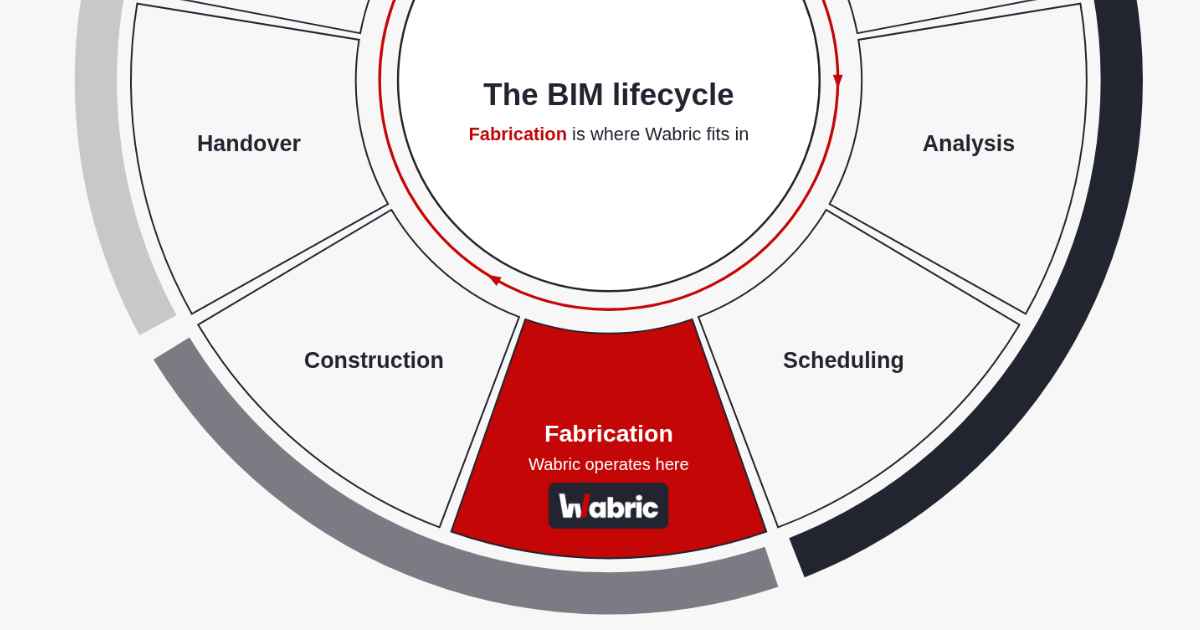
Question 5 is where CPQ tools split. Many stop at the price and the BOM, and leave drawings to a separate CAD product. Wabric is a BIM-powered CPQ for manufacturers of complex engineered products. It builds the quote, the production drawings and the BIM object from the same parametric model.
That way engineering doesn't redraw what sales already sold. To see how 9 platforms handle drawings and BIM, read our best CPQ software for manufacturing comparison.
Who uses CPQ inside the company
CPQ is often filed under sales software. In practice, 6 groups work from the same configuration:
- Sales quotes standard configurations without waiting for engineering. At Innore, 50% of manual quoting is gone.
- Engineers set the product rules once and only review requests that are genuinely custom. At R-Fix, engineers moved on to high-value projects.
- Distributors and dealers configure and order in their own partner portal, at their own prices. HolaRoof's partners design roofs on a canvas inside theirs.
- Architects and specifiers get a BIM object of the exact configured product, ready for Revit or Archicad. That puts the product into the project while it's still being designed.
- End customers, whether a contractor or a homeowner, configure and price the product themselves. Saku Metall reached 90-95% self-service.
- Production receives the order with the BOM and drawings attached. At Wallenium, pricing and orders run through the ERP integration.
Who doesn't need CPQ
CPQ earns its place when configuration is the bottleneck. It's the wrong tool in 3 cases:
- You sell a fixed catalog from a flat price list. If every product has its own SKU and a fixed price, a regular webshop or your ERP will do.
- Every order is genuinely unique, with no repeating rules. CPQ runs on rules, and it can't encode what never repeats. Check before you rule yourself out, though: at Krah Pipes, digital twins would cover up to 80% of configurations.
- Your product data is a mess. If specs and prices live in Excel files, PDFs and inboxes, fix that first. That's why some manufacturers start with a PIM and add CPQ later.
Summary
CPQ is used by manufacturers whose products have too many valid combinations for a price list. You'll find them in railings and glass, doors and windows, prefab, roofs and solar, HVAC, interior finishes, and pipes. Inside those companies, sales, engineering, distributors, architects, end customers and production all work from the same configuration.
Results vary: R-Fix quotes 60% faster, and Reterra saves an estimated €60,000 a year. The common thread: nobody re-enters or redraws what was already configured.
Want a rough number for your own team? Try the ROI calculator.
Frequently Asked Questions
Sales uses it most visibly, but engineering, production and customer service work from the same configuration. Engineers maintain the product rules, production gets the BOM and drawings, and customer service answers questions from the same data. Distributors and end customers can use it too, through a portal or a self-service configurator.
Yes. A partner portal gives each distributor or dealer their own login and pricing tier, so they configure and order without calling the manufacturer. R-Fix saw higher partner adoption with its configurator.
Architects rarely buy CPQ, but they use what it produces. A BIM-powered CPQ generates an IFC object of the exact configured product, which architects place straight into Revit or Archicad. For the manufacturer, that's one of the earliest ways to get specified into a project.
Software and telecom companies use CPQ to price subscriptions and bundles, and real estate developers use it for apartment finishes. Reterra replaced a full-time manual role with a single back office and a configurator for buyers.
Look at where your quotes wait. If they sit in an engineer's queue, take days or weeks, or come back with errors, configuration is your bottleneck. Our article on manual quoting vs CPQ walks through the warning signs.