Key Takeaways
- Manual quoting vs CPQ: manual quoting depends on people, spreadsheets and engineers, and takes 1-3 weeks for engineered products. CPQ (Configure, Price, Quote) software applies your product and pricing rules automatically and gives a validated price in minutes.
- Speed decides the deal: if a competitor sends a price in 15 minutes and yours goes out on Day 7, they've framed the deal before you opened Excel.
- Manual quoting doesn't scale: to double your sales, you'd have to double your engineering headcount.
- Standard CPQ stops at the quote: after the signature, engineering still turns the PDF into BOMs, drawings and machine files by hand. We call it the Data Stop.
- Server-side CAD charges by session or processing hour: more website traffic means a bigger bill, even from visitors who never buy. We call it the Tech Trap.
- CPQ+P closes both gaps: one configuration produces the quote, BOM, drawings, BIM files and machine data. Saku Metall cut its sales cycle from 2 weeks to 2 hours this way.
There's a question keeping manufacturing CEOs up at night in 2026: Can we afford to quote this? As the demand for speed grows, CPQ for manufacturers is no longer optional. It's a survival mechanism.
We're operating in a fractured economy. In core markets like Germany and France, Euroconstruct's June 2026 forecast puts construction growth at just 1.1% and 1.7% a year through 2028. Only Ireland, Poland, Sweden and the UK are expected to grow faster than 4% a year.
In boom years, capacity wins. You just need enough machines to keep up. In slow years, efficiency wins.
For manufacturers, the difference between surviving and scaling comes down to one question: How fast can you accurately quote complex products?
In our webinar on manual quoting, we unpacked why it's facing extinction. Here's the full breakdown.
How long does manual quoting take?
For engineered products, a manual quote usually takes 1-3 weeks, because every request bounces between sales, engineering and the customer. With a configurator, the customer sees the price in minutes. That gap is what we call the Dead Zone.
How many quotes did you lose last year not because of price, but because you were simply too slow?
Here's a typical manual quote timeline:
- Day 1: Request received.
- Day 4: A sales engineer finally opens the email.
- Day 7: Quote sent.
By Day 7, you're in the Dead Zone. Your competitor, who uses automation, sent a price anchor in 15 minutes. They didn't just win the deal. They framed the entire conversation before you even opened Excel. We break down what slow and unanswered requests cost in our guide to RFQ automation.
Speed = win rate. In 2026, a week isn't just slow. It's invisible.
What do buyers expect from quoting in 2026?
A price they can see without asking for it. The person buying glass railings or custom windows today has changed. Whether they're a contractor, an architect or a homeowner, they shop on Amazon and stream on Netflix, and they expect the same experience when they buy from you.
They demand clarity and control.
- The old way: Contact Sales button → black hole of silence → zero clarity.
- The new way: Configure online → instant price → instant confidence.
Buyers follow the path of least friction. If you force them to talk to a human just to get a price, they'll go to the competitor who lets them configure and price online.
Why doesn't manual quoting scale?
Because every quote runs through people. Manual quoting isn't just slow. It creates a system failure loop inside your company. It relies on:
- People doing logic (inconsistent).
- Engineers validating routine cases (bottleneck).
- Spreadsheets holding business rules (error-prone).
We see all 3 at the manufacturers we work with:
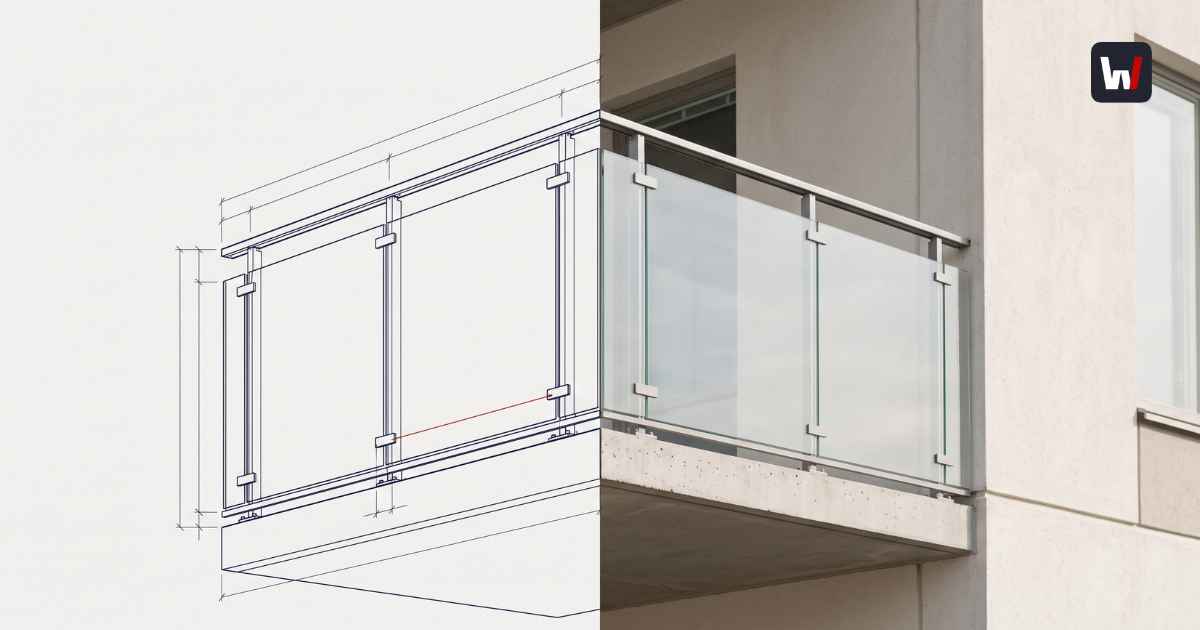
- Innore: sales engineers spent about half their time turning emailed drawings into quotes. Their balcony railing configurator now saves 80 hours of sales time a month.
- R-Fix: sales couldn't finalise a glass railing quote without an engineer's validation. Quoting is now 60% faster.
- Krah Pipes: every sales manager priced from a private spreadsheet. Pricing is now 100% consistent.
The result is margin leakage. Every time a sales rep guesses a price or an engineer redraws a standard part, you lose money. The ROI calculator estimates what it costs you.
It doesn't scale either. To double your sales, you'd have to double your engineering headcount, which few manufacturers can pull off in today's labour market.
Where does standard CPQ fall short for manufacturers?
At the handover to production. We call it the Data Stop.
Many companies try to fix manual quoting with standard CPQ (Configure, Price, Quote) software. To be fair, standard CPQ is great for sales. It gives you rule-based logic and fast PDFs.
But here's where it stops short.
Most CPQ tools stop at a nice-looking PDF. But the factory can't build a PDF.
Once the sales rep gets that signature, the data hits a wall. Your engineering team still has to manually translate that PDF into machine-ready BOMs, STEP files and cut lists. Some CPQ tools can produce drawings, but typically through a separate CAD platform and licence. Standard CPQ fixes quoting, but it breaks execution.
If you're comparing tools, our guide to the best CPQ software for manufacturing checks 9 platforms on exactly this point. For head-to-heads, see Wabric vs Tacton and Wabric vs HiveCPQ, or our roundup of Salesforce CPQ alternatives for manufacturers.
Why is server-side CAD a trap for online sales?
Because the more visitors you get, the more you pay, whether they buy or not. We call it the Tech Trap, and it's the most critical financial insight for 2026.
In the rush to automate, many manufacturers fall into the trap of using internal CAD automation tools, like DriveWorks or Autodesk Platform Services, for public sales.
These tools run a full CAD engine on a server and charge by capacity or usage. DriveWorks Live is licensed by concurrent sessions. Autodesk's Automation API bills Flex tokens per processing hour. Every time a visitor on your website changes a dimension, the server rebuilds the model.
- The cost trap: every session or rebuild uses capacity you pay for. If a visitor spends 20 minutes playing with your configurator, you pay for that capacity, even if they never buy.
- The latency killer: every change waits for a server round-trip and a model rebuild. In e-commerce, latency kills conversion.
You're penalised for running a successful marketing campaign. This model is economically broken for public websites.
Wabric works the other way around. The parametric 3D model runs in the visitor's browser, so a dimension change updates live, without a CAD rebuild on a server or a per-session fee. The production files are generated once, when the order is confirmed.
What is CPQ+P (Configure, Price, Quote + Produce)?
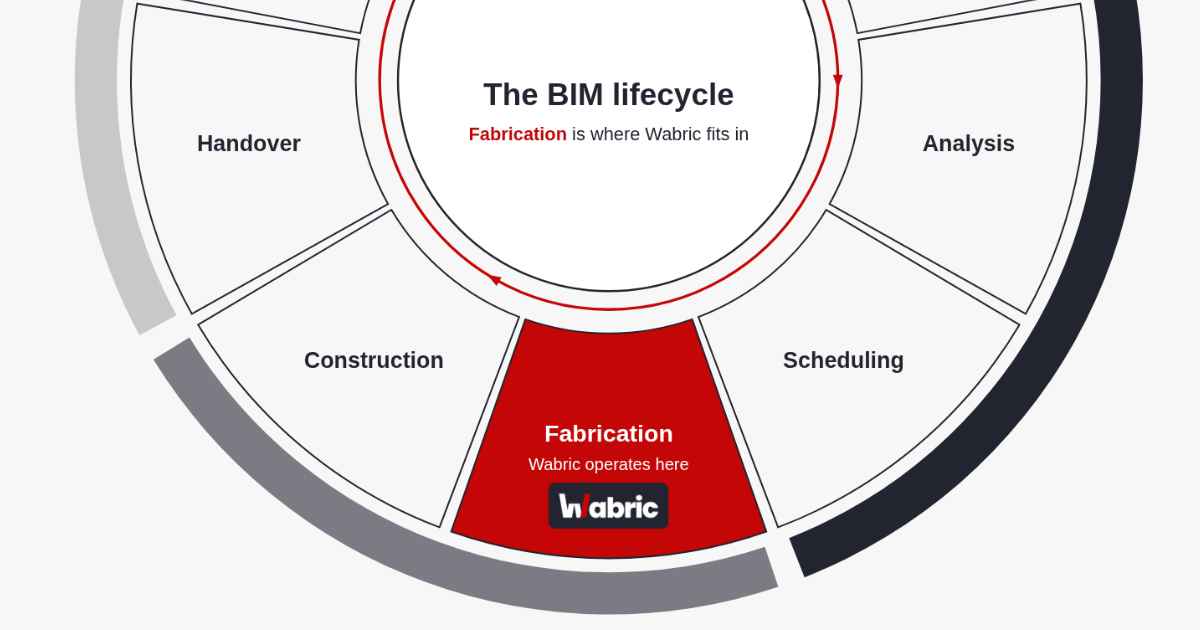
The solution is a new framework: CPQ+P, or Configure, Price, Quote + Produce. It adds a fourth step to CPQ: the configuration that prices the quote also generates the production files. We cover the framework in depth in our guide to selling engineered products online.
Manufacturers of complex, engineered products can't sell online and still rely on slow, manual quoting, because traditional e-commerce and CPQ tools break at configuration.
Wabric is a BIM-powered CPQ and digital-twin platform built for that gap. Unlike traditional CPQ tools that stop at a quote, it delivers production-ready output: every configuration generates an accurate price, a bill of materials, CAD drawings, BIM files and manufacturable 3D models in one flow.
The result is a direct Configure → Price → Quote → Produce pipeline, without manual handovers or broken integrations. When a quote is approved, it generates:
- Production BOMs: synced directly to your ERP.
- CAD/BIM files: auto-generated drawings and BIM objects, ready for architects.
- Manufacturable 3D models: ready for the factory.
- CNC data: machine-ready files for lasers and saws.
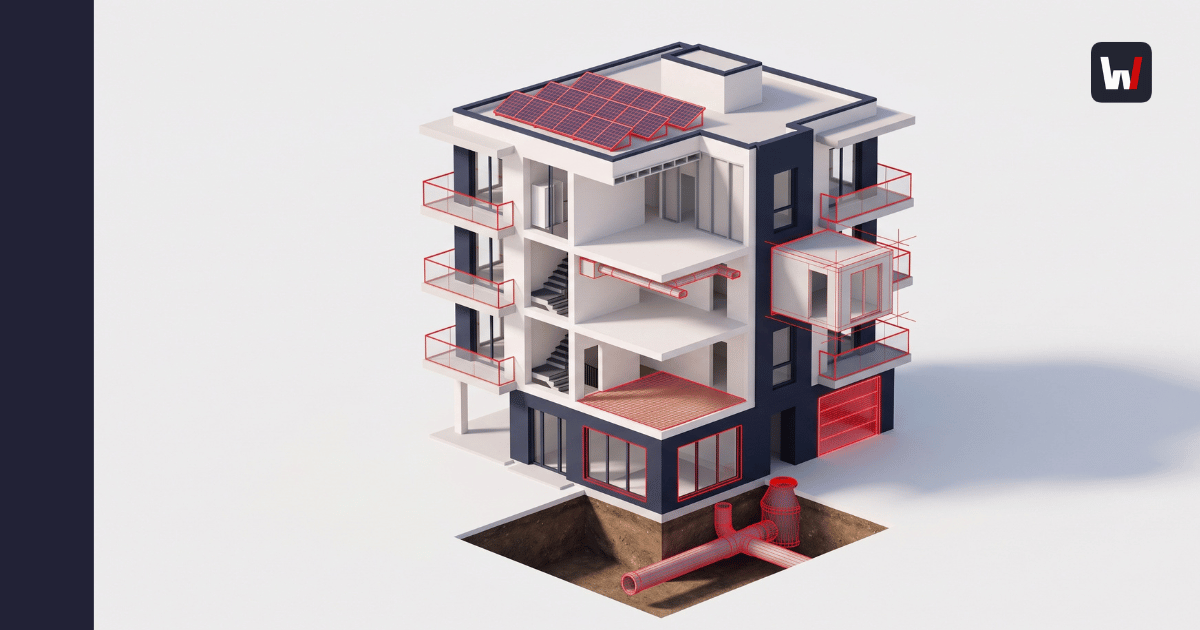
The same flow runs across industries, from pipes and drainage systems to prefab and modular buildings and roof and facade systems.
Case study: Saku Metall cut its sales cycle from 2 weeks to 2 hours
This isn't theory. Saku Metall, an Estonian door manufacturer, runs this exact flow with its garage door configurator.
The results:
- Sales cycle: from 2 weeks to 2 hours.
- Self-service rate: 90-95%.
- Errors: 80% fewer.
- Engineering time: 520 hours saved per year.
- ROI: under 3 months.
More results are in our customer stories.
Summary
Will manual quoting survive 2026? For engineered products, not as the default. If your quote can't go straight to production, you're still guessing.
- Manual quoting: 1-3 weeks per quote, priced by people and spreadsheets, capped by engineering hours.
- Standard CPQ: a fast, rule-checked quote, but production data is still re-entered by hand.
- CPQ+P: one configuration produces the quote, BOM, drawings, BIM files and machine data.
The winners in 2026 will be the manufacturers that decouple revenue growth from headcount. They'll use CPQ+P to sell globally while keeping their engineers on R&D, not data entry.
Frequently Asked Questions
Manual quoting means people work out each configuration and price by hand, using spreadsheets, email and engineering checks, which takes 1-3 weeks for engineered products. CPQ (Configure, Price, Quote) software applies your product and pricing rules automatically, so only valid configurations can be quoted and the price appears in minutes. CPQ+P adds a fourth step: the same configuration also generates the BOM, drawings and BIM files for production.
For engineered products, a manual quote usually takes 1-3 weeks, because each request passes between sales, engineering and the customer. With a CPQ configurator, the customer sees a validated price while configuring. Saku Metall, an Estonian door manufacturer, cut its sales cycle from 2 weeks to 2 hours with Wabric.
Only for true one-offs. Most engineer-to-order orders are variations of a product family that follow the same rules for dimensions, materials and fittings, and those rules can be encoded once. At Krah Pipes, which makes large-diameter pipes, manholes and tanks, digital twins now cover up to 80% of configurations, and sales and partners handle up to 80% of technical drawings and revisions.
No. It takes routine validation and redrawing off their desks, so they can focus on engineering. Innore saves 520 engineering hours a year, and R-Fix freed its engineers for high-value projects.
Tools built for internal engineering automation, such as DriveWorks Live or Autodesk's Automation API, rebuild the model in a CAD engine on a server. DriveWorks Live is licensed by concurrent sessions, and the Automation API bills Flex tokens per processing hour, so more website traffic means more cost, even from visitors who never buy. A configurator that runs the 3D model in the browser avoids that.
A first Wabric configurator typically goes live in 6-8 weeks. Before go-live, your product logic is encoded once: dimensions, valid combinations, pricing rules and constraints.